Just How Your Body Battles Weight Reduction Northwestern Medication
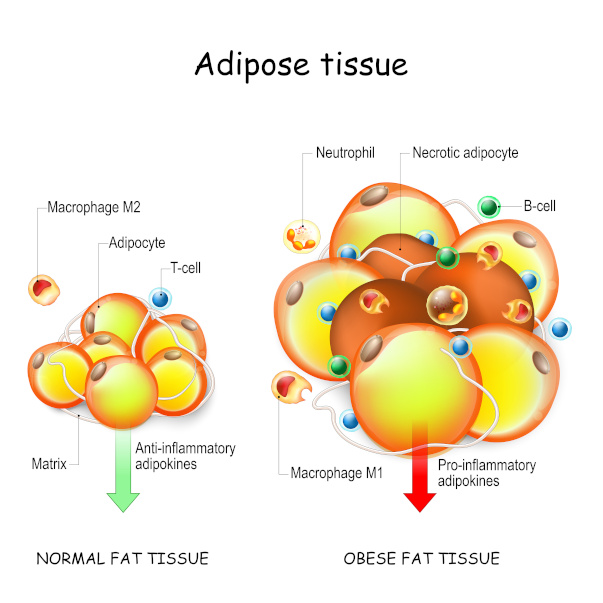
Feel The Burn: Researchers Determine Fat Storage Space Protein That Can Be Essential To Alleviating Weight Problems Memorial Sloan Kettering Cancer Cells Facility If you have or suspect you have a clinical issue, quickly call your doctor. Receive regular medical knowledge on metabolic wellness and whole-person recovery for body, mind and spirit. This overflow of fat disrupts the body's capacity to take care of blood sugar properly. For one, white fat is an effective endocrine body organ, launching hormonal agents like leptin that lower hunger, along with adiponectin, which controls insulin and blood sugar level levels. It also supports organs, protects against heat loss and serves as a metabolic barrier, safely keeping excess lipids that would certainly otherwise accumulate in the liver or muscular tissue. Researchers can gauge the quantity of energy kept in foods making use of a gadget called a bomb calorimeter. With this technique, food is placed inside the calorimeter and warmed till it sheds. The excess warmth launched by the reaction is straight symmetrical for power had in the food. Cells do not make use of the power from oxidation responses as quickly as it is launched. Rather, they convert it into little, energy-rich molecules such as ATP and nicotinamide adenine dinucleotide (NADH), which can be utilized Incontinence products throughout the cell to power metabolic rate and build new cellular parts. Additionally, workhorse proteins called enzymes use this chemical power to militarize, or increase, chain reactions within the cell that would otherwise proceed really gradually. Enzymes do not compel a response to continue if it would not do so without the driver; instead, they simply lower the energy obstacle required for the response to start (Number 4). Some scientists believe that your body has a set point weight and your metabolic rate, hormones and mind will certainly adapt to preserve that weight. By producing some hormones and reacting to others, adipose tissue connects with other organs throughout View website your body, as well as with your main nerves. It controls energy supply and demand through cravings and satiation (feeling complete) signals. It reacts to insulin by transforming excess blood glucose to lipids and storing them away for future use. Fat likewise has its own energetic immune cells, which reply to certain stimulations by removing dead fat cells or creating an inflammatory feedback. The capability of your body to keep muscular tissue and liver glycogen, nonetheless, is limited to approximately 1,800 to 2,000 calories worth of energy, or sufficient fuel for 90 to 120 minutes of continuous, energetic task.
Your Weight Reduction May Not Look Like You Expected
TAGs, which provide the body with a considerable resource of energy, are acquired from the diet regimen or are synthesized endogenously, generally in the liver. They are transported in the blood as lipoproteins and are stored in fat. The major classes of blood lipoproteins involved consist of high-density lipoprotein (HDL), intermediate-density lipoprotein (IDL), low-density lipoprotein (LDL), very-low-density lipoprotein (VLDL), and chylomicrons. Chylomicrons undergo synthesis in the tiny intestinal tract and transportation nutritional TAGs from the little intestinal tract to cells such as muscle and adipose.- People may have normally greater or lower collection weights than others; their established factors can be influenced by genes, aging, history of weight management and hormonal shifts.
- To keep up with this substantially raised demand for sugar, liver glycogen stores come to be swiftly depleted.
- Skeletal muscular tissue represent a substantial portion of everyday power expenditure, particularly during activity.
- On top of that, workhorse healthy proteins called enzymes utilize this chemical power to catalyze, or increase, chemical reactions within the cell that would otherwise proceed extremely slowly.
When To Fuel With Fat And Lower Carbohydrates
How to trick your body into melting stored fat?