What Is A Dermatofibroma And Exactly How Can I Avoid A Recurrence?
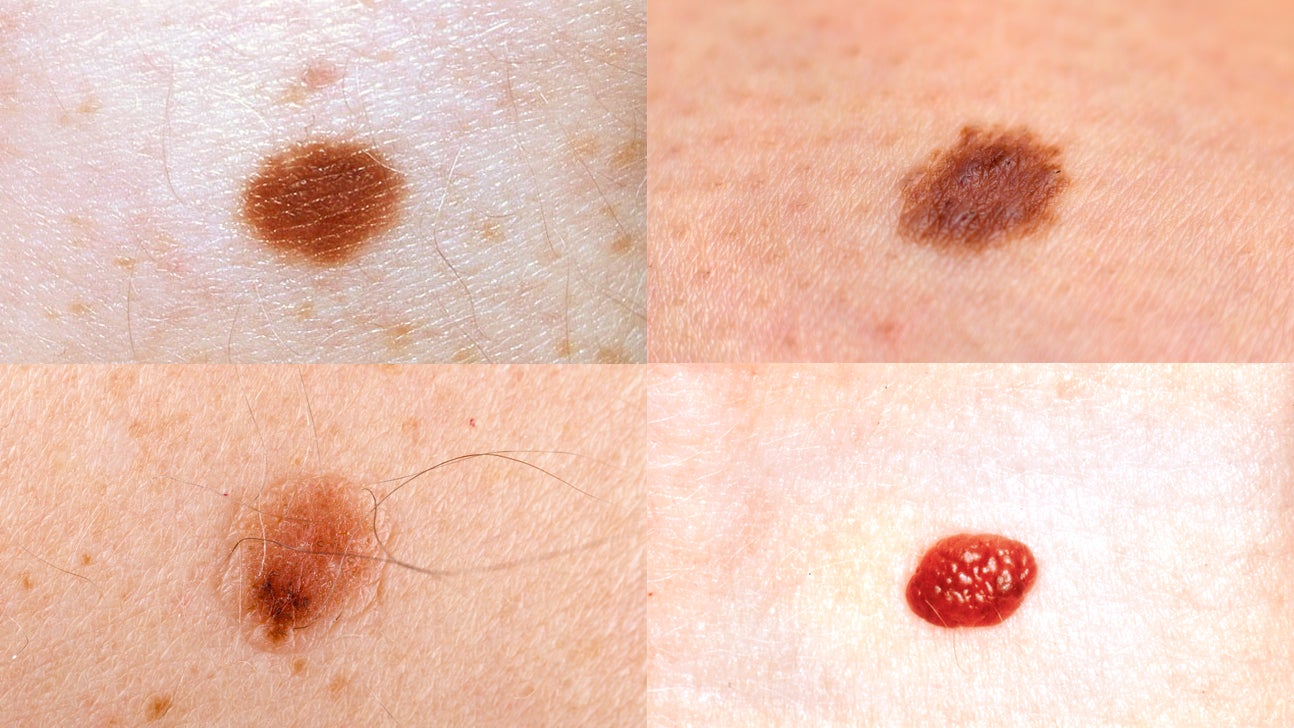
What Is A Dermatofibroma And Just How Can I Stop A Recurrence? A dermatofibroma is a common benign fibrous blemish normally located on the skin of the lower legs. Dr. Dupati will certainly have the ability to diagnose a Dermatofibroma by taking a look at the bump. This is a simple treatment where a small piece of skin is removed and examined under a microscope to validate the diagnosis. It's unclear what triggers them, yet you might obtain one after a small injury like a pest bite. They're harmless, but constantly let your physician understand about anything new on your skin. Dermatofibroma ( benign fibrous histiocytoma) typically develops gradually and frequently takes place as a singular blemish on an extremity (particularly the lower leg), though any cutaneous website is possible. Cases of uncommonly rapid development exist, but many dermatofibromas stay fixed for decades or linger indefinitely. Considering that dermatofibromas are increased locations on the skin surface, they are conveniently distressed by shaving and other tasks that can nick the skin. While some can expand to be concerning the size of a peach pit, most often tend to be tiny, gauging in between 3 and 10 millimeters broad.
Why It Really Feels "stuck"
Is dermatofibroma a cyst?
Dermatofibroma is a common benign mesenchymal skin lump. Sweat air duct cyst is an uncommon benign sore having squamous and glandular cells. We report an unusual instance of a dermatofibroma bordering a sweat duct cyst of the shin.
- You can aid by keeping skin moist and staying clear of points that trigger episodes, like stress or certain soaps.
- However if one is as well big or scratchy, you can have it treated or eliminated.
- Intra-lesional steroid shots are one alternative, however it will just reduce the size of the bump.
- While you must not panic, you additionally must not ignore worrying indicators.
Post-treatment Treatment
Both genetic [51] and acquired [52] situations of numerous gathered dermatofibromas have actually been reported. Dermatofibromas are generally an aesthetic nuisance, although they can seldom be tender. They can also remain in the way of shaving one's legs and can obtain nicked or cut.Medical Excision (most Clear-cut)
Yet inform a doctor if they're puffy for 2 weeks or more, feel hard, expand quickly, are close to your collarbone, or the skin over them is red. These, in addition to weight-loss, night sweats, high temperature, or tiredness, might be indicators of cancer. Dermatofibromas are firm-hard blemishes, and can vary in colour from pink to darker brownish colours in darker skin types. The sore is gotten rid of under regional anaesthetic, and the wound is closed with stitches. For many people, the most effective alternative is no active treatment. If the lesion is common and not troubling you, leaving it alone stays clear of the danger of scarring. Many people will in fact have numerous dermatofibromas. A physician can detect a dermatofibroma aesthetically during a physical assessment. No special screening is required unless there are problems that the area in question might be malignant and as a result not a dermatofibroma. Therapy is not essential unless it is triggering pain or remains in a location in which it continues to get trauma that triggers bleeding or pain.